Soft, raised skin tags
These often appear where skin rubs against skin or clothing. Repeated irritation can make them uncomfortable.
A small growth deserves a closer look.
A raised spot that catches on clothing, a rough patch that keeps returning, or a new mark you cannot identify. These concerns can look alike at first glance. The next step depends on what the growth actually is.
At Nivani Aesthetics Clinic in Malad West, Mumbai, an assessment helps determine whether a growth may be suitable for removal or needs specialist examination first.
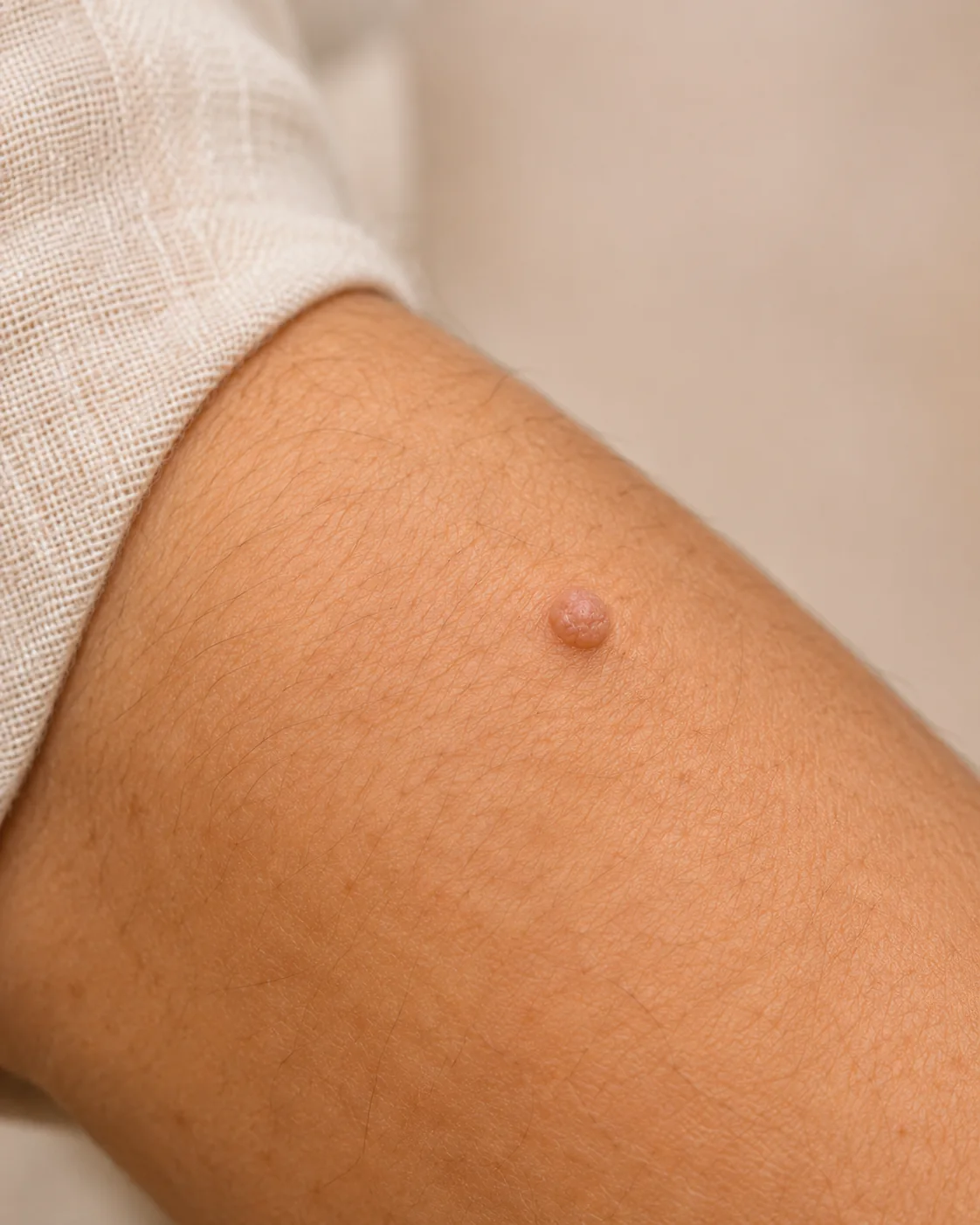
Skin tags, warts and other lesions can share visible features. Where a growth appears, how it changes and what it looks like under examination influence the next step.
These often appear where skin rubs against skin or clothing. Repeated irritation can make them uncomfortable.
Common warts may appear on hands, feet or other sites. Appearance and response to care vary by type and location.
A changing, bleeding, painful or unfamiliar lesion deserves medical assessment. A clinician may advise examination, biopsy or referral.
These are the two treatments listed in Nivani’s approved directory. Whether treatment is appropriate depends on the diagnosis, site and medical history. A procedure is not always needed.
A skin tag may be soft and slightly raised, often in an area of friction. Other lesions can resemble skin tags, so the diagnosis comes first. If removal is appropriate, the clinician should explain the proposed method, healing and whether tissue examination is needed.
Warts are commonly associated with human papillomavirus (HPV), but other growths may look similar. Management depends on the site, number, previous treatment and whether the diagnosis is clear. Some warts resolve without intervention; others need follow-up.
The skin can develop irritation, infection, pigment changes or scarring following removal. Ask what the growth is, why treatment is advised and what healing may involve.
Tell the clinician if a lesion changes colour or shape, bleeds, becomes painful or does not heal. Specialist assessment or biopsy may be needed.
Cutting, burning or treating an unidentified growth with harsh products can cause harm and delay proper diagnosis.
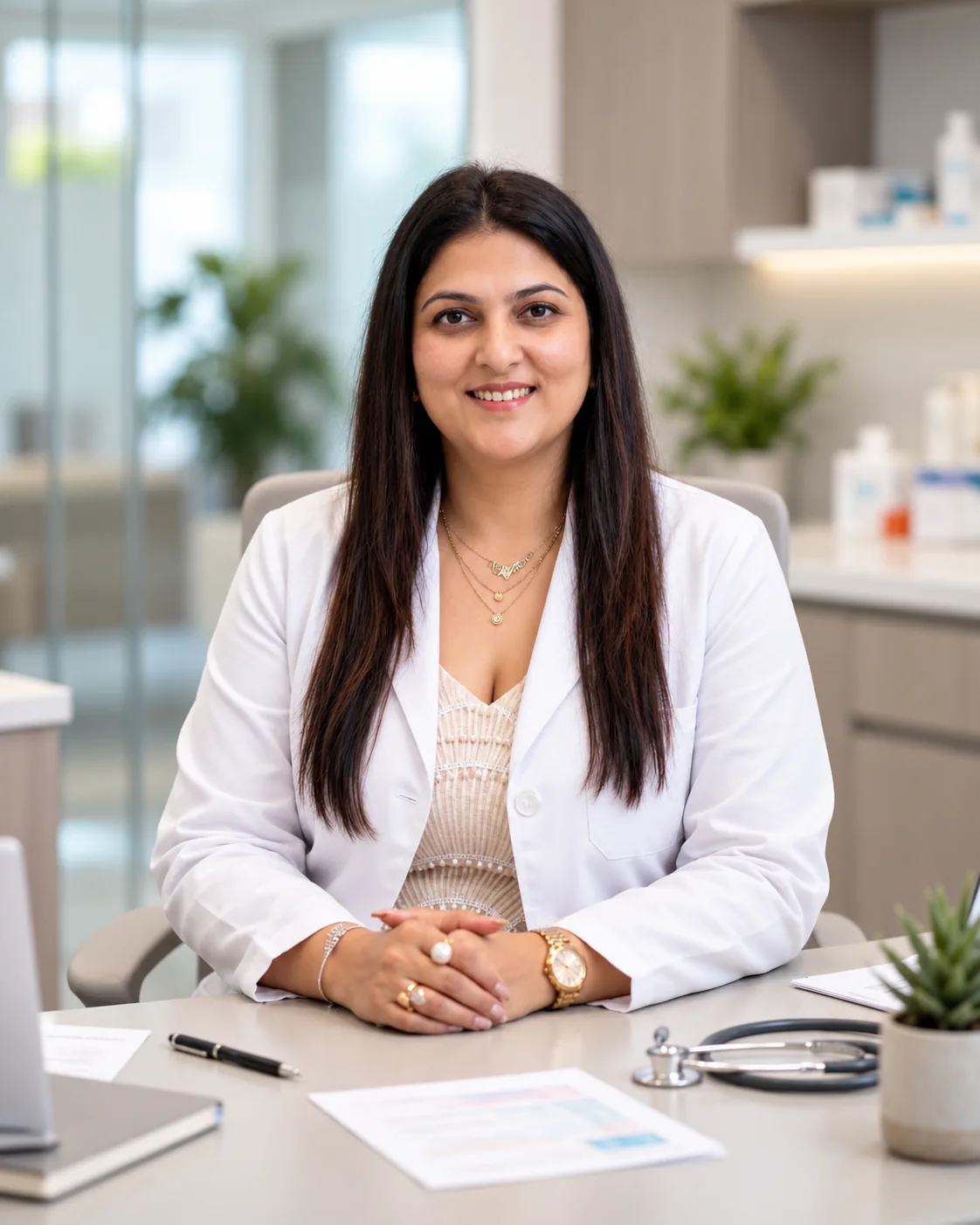
Dr. Neha Garg | BDS, Cosmetologist | Clinical Director, Aesthetic Services
Dr. Neha Garg leads Nivani's aesthetic services. The professional assessing any lesion must have appropriate qualifications and authority for the diagnosis and proposed procedure. Lesions with uncertain or concerning features should be referred for dermatologist or other specialist assessment when necessary.
Share when the growth appeared, any changes and any discomfort or bleeding.
Ask whether it is a skin tag, wart or another lesion, and whether testing is needed.
Review observation, removal, referral, aftercare and possible recurrence.
Skin tags are often soft and may hang from the skin; warts can feel rougher. Appearance alone is not always reliable. An assessment can distinguish common benign growths from those needing further investigation.
A lesion that changes, bleeds, crusts, becomes painful or looks unusual should be assessed by an appropriately qualified medical professional before any cosmetic removal. Sometimes a biopsy is needed.
Many skin tags are benign, but a new or unfamiliar growth should not be self-diagnosed. Sudden changes or numerous new growths warrant professional advice.
Recurrence is possible because treatment does not always eliminate the underlying viral infection. Follow-up and prevention advice depend on the wart type and location.
Home removal can cause bleeding, infection, scarring or damage to surrounding skin. It can also delay diagnosis if the growth is not a skin tag.
Any removal procedure can leave temporary colour changes or a scar. Healing depends on the lesion, technique, skin characteristics and aftercare.
Mention changes in the growth, bleeding, personal or family skin-cancer history, previous treatments, blood-thinning medicines, allergies and problems with wound healing.
Some harmless growths may be left alone. If the diagnosis is uncertain or the location is sensitive, investigation or specialist referral may be more appropriate than immediate removal.
Discuss a persistent wart, an uncomfortable skin tag or a growth you are unsure about with Nivani Aesthetics Clinic.
Solitaire 2, B Wing, 101 and 102, opposite Infiniti 2 Mall, Malad Linking Road, Malad West, Mumbai, Maharashtra 400064.