First identify the concern
Melasma, post-acne marks, raised scars and depressed scars may require very different management. A specialist opinion may be warranted.
Skin correction needs a precise diagnosis.
Dark marks, scarring and changes in skin texture can look similar but may have very different causes. Laser and energy-based procedures also differ in their intended targets. Selecting a device before establishing the diagnosis can lead to disappointing results or complications.
Nivani lists five advanced laser-related options. The intended purpose, equipment, operator credentials and healing risks must be reviewed for each one.
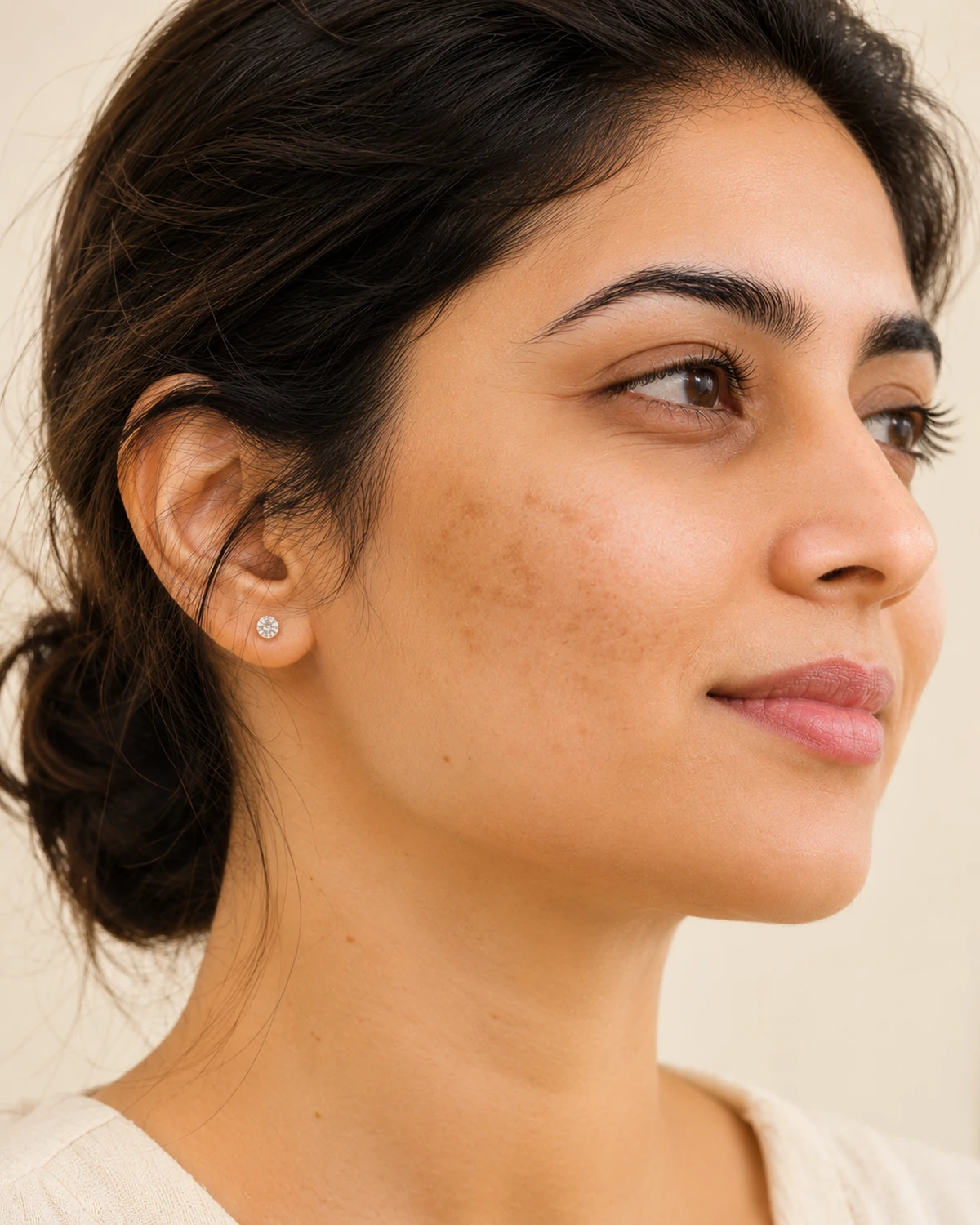
The individual concern and medical context matter more than a label in a catalogue.
Melasma, post-acne marks, raised scars and depressed scars may require very different management. A specialist opinion may be warranted.
Laser pulse type, wavelength, intended indication, energy delivery and practitioner experience matter more than a marketing label.
Post-inflammatory hyperpigmentation and other colour changes are recognised risks after some laser and energy-based procedures.
This is the exact catalogue register, not a claim that every option is suitable for every skin concern or that each uses the same technology.
A Q-switched laser may be discussed for selected pigment concerns after diagnosis; the exact device and settings matter.
The catalogue combines laser and microneedling language. Confirm whether both are actually used and how before describing the protocol.
The source combines laser and MNRF terminology. Confirm the exact equipment, whether RF microneedling is involved, and operator qualifications.
Picosecond laser systems are used for specific indications. Response and unwanted pigment changes depend on skin, target and device.
Low-level light or laser therapy differs from resurfacing lasers and must not be described as scar removal without indication-specific evidence.
Catalogue names do not guarantee suitability, actual protocols or outcomes.
A clinical review should consider expected benefits, complications and alternatives.
Disclose medications, tanning, recent procedures, cold sores, active inflammation and any history of scarring or poor healing.
Burns, blistering, unwanted pigment change, infection and scars are possible. RF microneedling has additional device-specific risks and must be separately assessed.
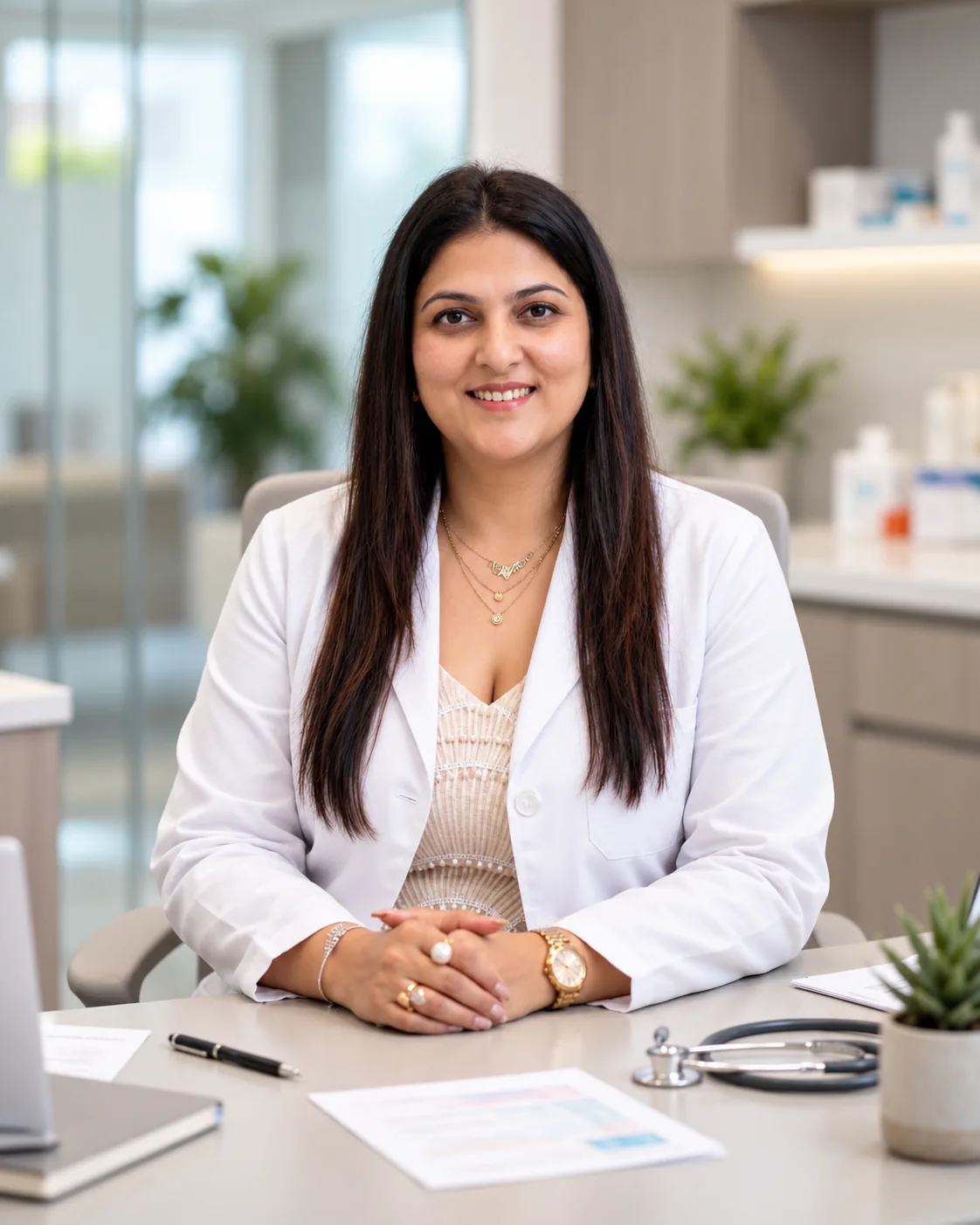
Dr. Neha Garg, BDS and cosmetologist, is Nivani’s Clinical Director, Aesthetic Services. A suitably qualified treating professional must assess and perform each procedure, with specialist referral where appropriate. The exact device or infusion formula, operator and risks should be explained before treatment.
No. The diagnosis and depth of pigment matter, and certain conditions may worsen with an inappropriate procedure.
No technology is universally best. Suitability depends on the diagnosis, device, skin tone and experience of the treating professional.
No. The catalogue lists Micro Needling and MNRF variants separately. The actual clinical protocol must be specified.
Microneedling radiofrequency combines needles with RF energy. Its risks and indications differ from conventional microneedling.
It is a different type of light-based approach. Its listed presence does not establish a scar-resurfacing indication.
Yes. Unwanted darkening or lightening can occur, which is why diagnosis, settings and recovery advice matter.
That depends on the condition and selected procedure. A fixed session count is not appropriate without assessment.
Uncertain diagnoses, active or suspicious lesions, persistent melasma and complex scarring warrant appropriately qualified specialist assessment.
Nivani Aesthetics Clinic | Solitaire 2, B Wing, 101 and 102, opposite Infiniti 2 Mall, Malad Linking Road, Malad West, Mumbai, Maharashtra 400064.