Hydration needs context
Many cases of mild dehydration are managed with oral fluids. More serious symptoms can require medical assessment and targeted treatment.
When wellness meets a medical procedure.
Feeling tired, dehydrated or run-down can have many explanations. An IV infusion may be medically appropriate in selected circumstances, but a wellness label alone cannot tell you whether you need one. Symptoms that persist, worsen or are severe deserve an appropriate medical assessment.
Nivani lists six options in its energy, hydration and wellness IV range. The formulation, evidence and possible risks should be clear before any infusion is offered.
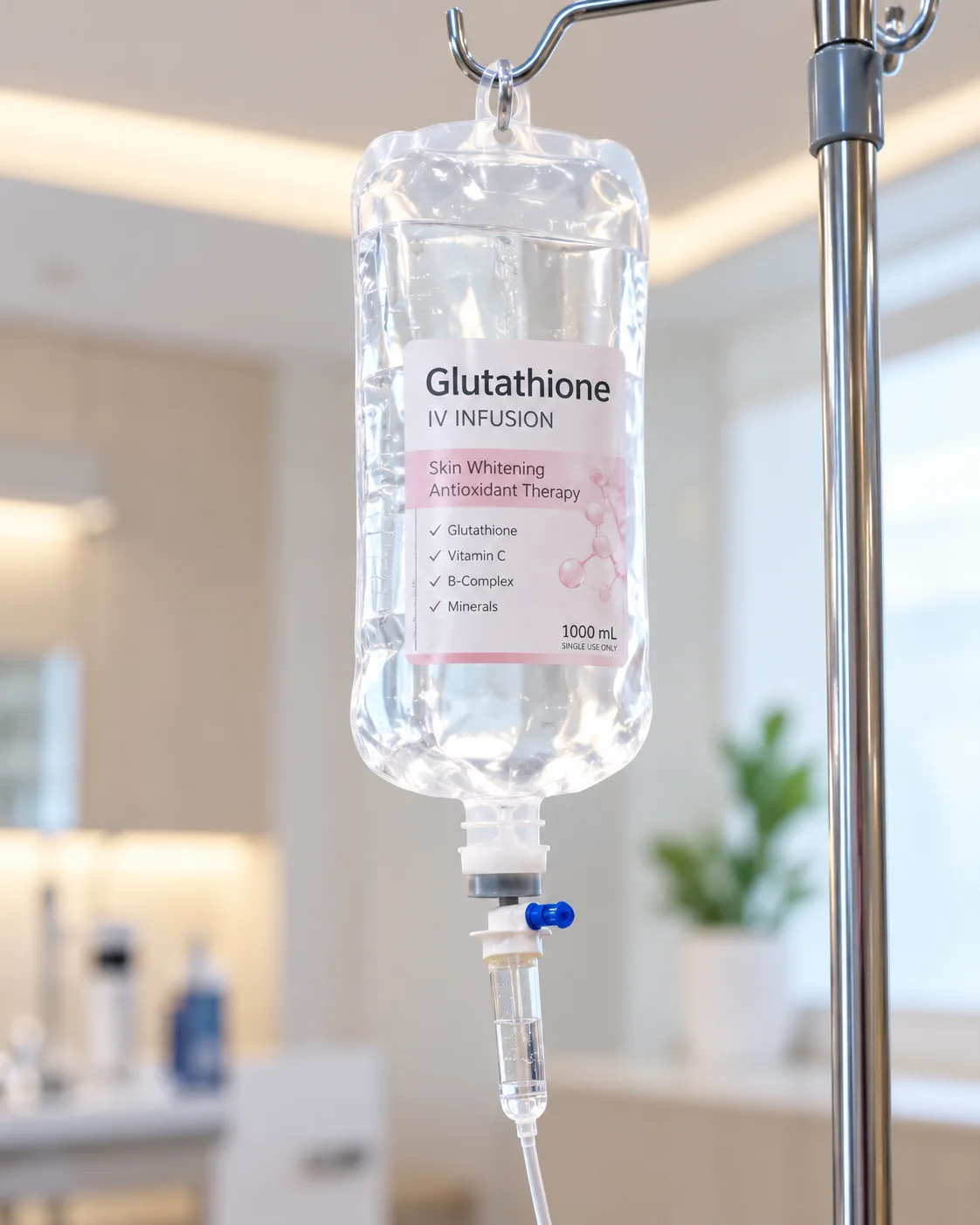
The individual concern and medical context matter more than a label in a catalogue.
Many cases of mild dehydration are managed with oral fluids. More serious symptoms can require medical assessment and targeted treatment.
Sleep, nutrition, illness and medication effects may contribute. An IV label does not identify the cause.
Claims about detoxification, rapid recovery, longevity or fat loss should not be treated as established just because a drip carries that name.
The source catalogue names these options but does not establish a universal formula, benefit or treatment protocol.
The name commonly refers to a vitamin-mineral infusion, but the exact composition varies and must be confirmed locally.
“Boosters” is a marketing category. Determine the actual ingredients, intended purpose and evidence before considering it.
An IV fluid formulation has specific indications and fluid-related risks. Routine thirst does not automatically require intravenous treatment.
The name does not establish that an infusion produces weight loss or treats obesity. Avoid unsupported weight reduction claims.
The catalogue wording is not proof that an infusion reverses intoxication or prevents alcohol-related harm. Serious symptoms warrant medical care.
NAD infusion claims for general energy or longevity require careful evidence review; exact preparation, dose and safety details must be confirmed.
Catalogue names do not guarantee suitability, actual protocols or outcomes.
A clinical review should consider expected benefits, complications and alternatives.
Review the exact fluid and ingredients, any relevant tests, the reason IV delivery is proposed and reasonable alternatives.
Cannula-related infection, vein irritation, reactions and inappropriate fluid administration are possible. IV drips should not delay urgent medical care.

Dr. Neha Garg, BDS and cosmetologist, is Nivani’s Clinical Director, Aesthetic Services. A suitably qualified treating professional must assess and perform each procedure, with specialist referral where appropriate. The exact device or infusion formula, operator and risks should be explained before treatment.
IV fluids may be needed in specific medical circumstances. For routine mild dehydration, oral intake may be adequate.
The name itself provides no evidence of fat loss or obesity treatment. Ask for the exact formulation and clinical rationale.
No. It cannot be presented as preventing alcohol-related complications or substituting for medical help.
Ingredients vary between providers. Request the actual formulation and suitability review.
Robust evidence for general anti-ageing or longevity claims is insufficient. Do not assume those outcomes.
The catalogue does not specify ingredients, so the actual formulation must be established.
A clinical review should determine whether an infusion is appropriate, rather than choosing by name alone.
Severe dehydration, confusion, chest symptoms, breathing difficulty or persistent severe illness warrants prompt medical assessment, not a wellness drip appointment.
Nivani Aesthetics Clinic | Solitaire 2, B Wing, 101 and 102, opposite Infiniti 2 Mall, Malad Linking Road, Malad West, Mumbai, Maharashtra 400064.